
03 JUL
5 Benefits of Managed IT Services
Offering an unparalleled level of expertise, managed IT services can help businesses lower their costs, increase their operational efficiency, and reduce the time it takes to find and implement a solution. Capable of managing the entire life cycle of IT management – from hardware and software to network connectivity, and software licenses – managed IT services are a smart choice for businesses looking to maintain a level of control in the face of unpredictable changes. To assist you in making an informed decision, here are five major benefits of managed IT services.
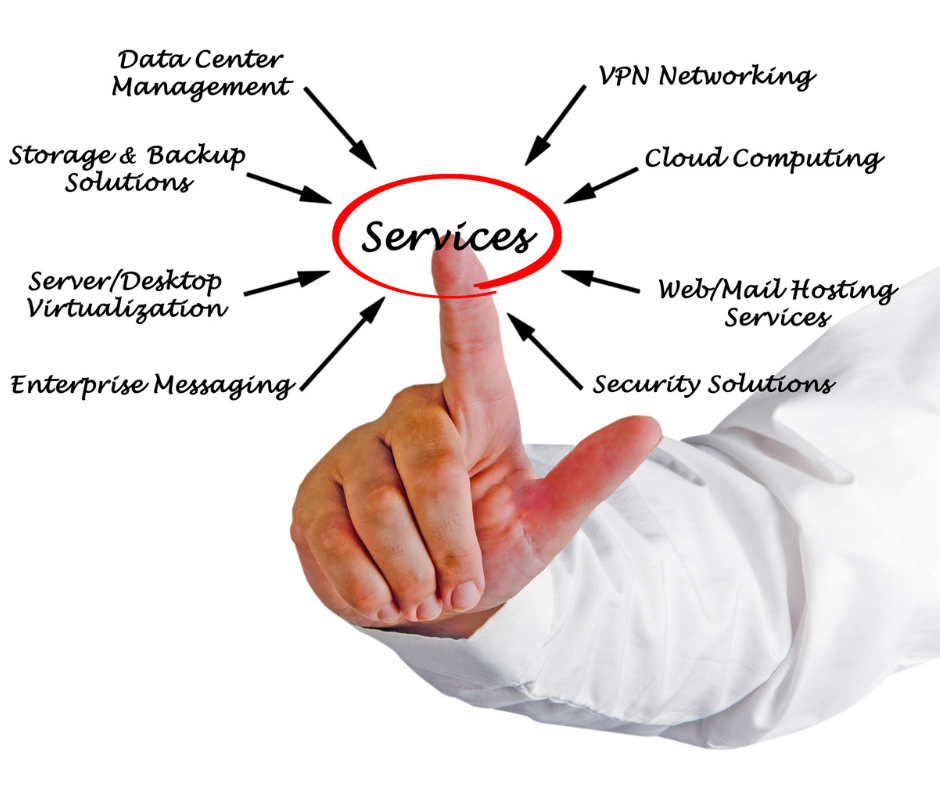
What Are Managed IT Services
Managed IT services, commonly referred to as MSP, are service-based agreements between an IT firm and its client. Capable of providing the full spectrum of IT services, including hardware support, installation, data backup, recovery, and website maintenance – managed IT services offer comprehensive and cost-effective solutions to the management of IT assets.
The goal of MSP is to provide a complete and cost-effective package of IT services that clients can use to manage their technology, data, and other vital resources. Available in various service level agreements (SLAs), clients are given the freedom to choose what services are most important to them and how much their company is willing to spend on them. The SLA that is drawn up at the onset of the relationship defines the services that are provided, the terms under which they are provided, and the costs of these services.
In essence, MSP is a dynamic and flexible method of IT management that provides clients with the freedom to mix and match the services they need to meet their requirements. They are designed to solve the most pressing IT challenges businesses to face daily and provide clients with the peace of mind they need to focus on the critical aspects of their business.
1. Procurement of Hardware:
Every business relies on technology to deliver value to its customers and improve its operations. However, procuring the right hardware can often be confusing and daunting. With so many options to choose from, businesses often find themselves burdened with the decision. However, managed IT services can aid your business in selecting the best option, with regards to your business needs and budget. From printers to servers, managed IT services offer an informed and objective opinion about the type of hardware you need. With a deep understanding of your daily operations, your employees’ needs, and a holistic view of your entire technology landscape, the managed IT services provider can pinpoint the type of hardware that can be an efficient and effective fit for your business. This helps businesses avoid inefficiencies and redundancies while improving productivity and operations.
2. Software Licensing:
Software licensing is yet another area that can quickly become confusing and complex for small businesses with limited IT support resources. As a small business, you often cannot afford to make mistakes in licensing or buy more licenses than required. Furthermore, acquiring software licenses can also be time-consuming, especially when you have to deal with multiple vendors, pricing models, discounts, upgrade options, and more. In such situations, it makes a lot of sense to let managed IT services handle software licensing for you. Managed IT services can handle all these for you promptly by streamlining the process for both purchasing and implementation. This empowers your business to focus on other things and be better equipped to deliver value to your customers.
3. Network Equipment Configuration and Management:
How robust and efficient your network depends entirely on the quality of equipment you have, how well the network is designed, and how well it is managed. To ensure your network is up to par with your business needs, managed IT services provide expert guidance. They assist in optimizing your equipment for optimal network performance, reducing vulnerabilities, and helping you stay abreast of new technologies. Managing your network often requires constant attention and resources. This task may be difficult for your IT team to handle without external support. This is where managed IT services can be very beneficial. Through regular audits, compliance tests, and security monitoring, managed IT services can help improve the security of your network and ensure a seamless flow of business-critical data. From installing and configuring routers, switches, firewalls, and monitoring tools, to creating and managing network maps and plans, managed IT services can provide your business with the network support you require to operate effectively.
4. Helpdesk Services:
To streamline operations and improve efficiencies, businesses need to have a support structure in place to ensure employee productivity and resolve critical problems. This is where the helpdesk services provided by managed IT services can be extremely beneficial. With the right level of IT expertise at your disposal, businesses can address issues before they snowball into major problems. Through strategic planning and effective collaboration, managed IT services help businesses create a support structure for reducing downtime and improving staff productivity. Helpdesk services also empower you to focus on your core business, which is delivering quality customer service. With the robust web, telephone, and remote control assistance in place managed IT services can act as your wingman to help you meet the challenges of the digital age.

5. On-Site Assistance:
In today’s age, it is rare to find a business without at least one technology component. As such, when issues arise, you need immediate assistance that can be difficult to get. If you are trying to tackle an issue all by yourself, the problem may spiral out of control. Even if you get help from an outside provider, the situation may become complicated, especially if they are not familiar with your IT environment. This is where managed IT services can come in handy. They help businesses with troubleshooting, risk mitigation, and ensuring your operations are not disrupted. Through the regular on-site review, managed IT services can ensure critical issues are addressed before they become major problems. It is also possible for managed IT services to train your staff on best practices and assist them in designing and implementing a comprehensive support plan.
Conclusion
Small businesses often find themselves lacking the resources and expertise to ensure their IT infrastructures are properly supported. However, with managed IT services, businesses can find the right balance between the cost and value that these services can offer. By providing strategic, consultative, and actionable advice, managed IT services can help small businesses improve productivity, reduce costs, and be prepared for the future.
For all services go to us.rojan.net